Amusement rides are engineered to deliver controlled excitement while maintaining rigorous safety standards. Evaluating their safety involves a multifaceted approach that examines design integrity, operational control, maintenance practices, and regulatory compliance. Each of these dimensions contributes to ensuring that visitors can enjoy exhilarating attractions without compromising personal security.
Engineering Design and Structural Integrity
The foundation of ride safety begins with engineering design. Amusement park equipment manufacturers follow international standards such as ASTM F24 and EN 13814, which specify design loads, material properties, and performance limits. These standards demand that structures withstand dynamic stresses, centrifugal forces, and repetitive mechanical fatigue over extended operational cycles.
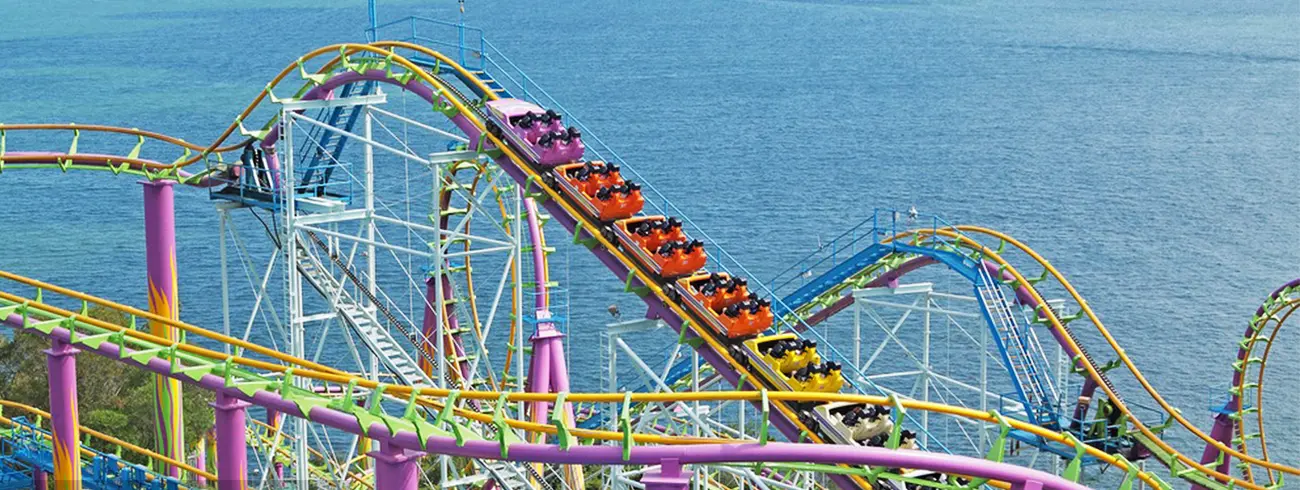
Design validation involves finite element analysis (FEA) to simulate stress points and predict potential failure zones. Structural redundancy is incorporated to ensure that no single point of failure leads to catastrophic collapse. Load testing, both static and dynamic, verifies theoretical assumptions. For instance, steel roller coasters undergo a full-spectrum analysis of track deformation under simulated passenger loads to guarantee predictable performance.
Material Quality and Fabrication Standards
The selection of materials directly affects ride durability and safety. High-tensile steels, corrosion-resistant alloys, and composite polymers are commonly employed. Weld integrity is verified through ultrasonic and radiographic testing, ensuring that no microfractures compromise the framework. Surface coatings such as galvanization or powder finishes provide additional protection against environmental degradation.
Amusement park equipment manufacturers maintain quality control through documented fabrication protocols and serial number tracking of each component. This traceability is critical during inspections and part replacements, enabling precise identification of potential production defects.
Operational Control Systems
Modern amusement rides integrate complex control systems governed by programmable logic controllers (PLCs). These systems manage speed, acceleration, braking, and emergency stops through redundant circuits. Sensor arrays detect real-time variations in load distribution and mechanical resistance, providing feedback loops that prevent unsafe operating conditions.
Fail-safe mechanisms, including automatic shutdown protocols, are indispensable. When sensors detect deviations beyond tolerance thresholds, operations halt instantaneously. Additionally, power backup systems ensure that safety restraints remain locked even during power interruptions.
Regular software validation and firmware updates are integral to sustaining operational reliability. Unauthorized modifications or outdated systems can create vulnerabilities that compromise ride safety.
Maintenance and Inspection Protocols
Routine maintenance is the backbone of ride longevity and safety. A structured maintenance schedule typically encompasses daily visual inspections, weekly functional testing, and annual comprehensive evaluations. Lubrication, bolt torque verification, and hydraulic fluid assessments are routine procedures.
Nondestructive testing (NDT) methods—such as magnetic particle inspection and dye penetrant examination—detect hidden flaws that could evolve into structural hazards. Bearings, braking systems, and restraint mechanisms are examined with precision instruments calibrated to industry standards.
Documentation is vital. Each maintenance activity must be recorded, timestamped, and signed by certified technicians. Regulatory authorities often audit these records to ensure compliance with legal mandates.
Human Factors and Operator Training
No matter how advanced the technology, human oversight remains a pivotal aspect of safety evaluation. Operators must undergo specialized training that covers emergency procedures, passenger management, and equipment recognition. A lapse in operational vigilance can transform a routine ride cycle into a hazardous incident.
Simulator-based training allows operators to rehearse emergency responses under controlled conditions. For instance, they practice executing manual overrides or safely unloading passengers during a mid-cycle halt. Consistent refresher programs sustain proficiency and adaptability to evolving technologies.
Passenger Restraint and Ergonomic Considerations
Restraint systems are designed to secure riders without inducing discomfort or injury. These systems—ranging from lap bars to over-the-shoulder harnesses—are subject to load-bearing and release mechanism tests. Pressure distribution and anthropometric data influence design, ensuring compatibility across diverse body types.
Emergency egress mechanisms must function swiftly during power failures. The best amusement park equipment manufacturers employ ergonomic research to refine restraint geometry, minimizing both user fatigue and potential injury in high-g scenarios typical of crazy thrill rides.

Environmental and Operational Conditions
External factors such as wind velocity, temperature variation, and precipitation significantly influence operational safety. Wind thresholds are specified for each ride type; exceeding them mandates immediate shutdown. High humidity or rainfall can impair friction-based braking systems and electronic sensors.
Seasonal temperature extremes cause material expansion and contraction, necessitating periodic recalibration. Structural foundations must also account for soil settlement, which can subtly misalign tracks or support columns over time.
Monitoring weather data in real time allows operators to make informed decisions about ride operation. Integration of meteorological sensors with control systems automates alerts for hazardous environmental conditions.
Regulatory Oversight and Certification
Every amusement ride undergoes certification before public operation. Regulatory authorities—whether national or regional—enforce compliance with engineering codes and safety acts. Certification often includes third-party inspection by accredited engineers who verify design conformity and test reports.
Periodic re-certification ensures that rides remain compliant even after years of service. Modifications, no matter how minor, trigger reevaluation. International coordination among inspection bodies also ensures that imported rides meet local safety requirements.
Incident Analysis and Continuous Improvement
Despite comprehensive safeguards, incidents occasionally occur. Root cause analysis (RCA) investigates mechanical, human, and environmental contributors to identify systemic weaknesses. Data from onboard sensors and operator logs provide critical insights into event sequences leading up to an incident.
Lessons derived from such investigations drive revisions in maintenance protocols, software algorithms, and even regulatory frameworks. The culture of continuous improvement ensures that the industry evolves toward greater safety resilience.
The Role of Manufacturers and Innovation
Amusement park equipment manufacturers are not merely producers of rides—they are the custodians of public safety. Innovation in materials science, mechatronics, and predictive analytics continues to redefine safety standards. Smart monitoring systems equipped with IoT sensors can now detect anomalies before they escalate into failures.
For example, vibration analytics can forecast bearing wear, while real-time telemetry enables remote supervision by engineers. The latest generation of crazy thrill rides demonstrates how technology can deliver extreme sensations within meticulously controlled parameters.
Public Awareness and Transparency
Visitors also play a role in safety assurance. Public disclosure of inspection results and maintenance schedules promotes transparency and trust. Signage should clearly outline height, weight, and health restrictions. Following these guidelines is not optional; they exist to preserve safety margins engineered into the ride.
Educating riders about behavior expectations—such as proper posture and restraint compliance—reduces operator intervention and minimizes risk. Transparency fosters an environment where both operators and visitors share responsibility for safety.
Conclusion
Evaluating the safety of amusement rides requires more than cursory visual checks; it demands a disciplined synthesis of engineering analysis, operational control, and regulatory diligence. Each subsystem—from steel frameworks to software logic—contributes to a cohesive safety ecosystem. As technology advances, amusement park equipment manufacturers continue to refine their processes, ensuring that even the most intense crazy thrill rides remain both exhilarating and secure. In a domain where excitement meets precision engineering, safety is not a static achievement but an evolving discipline grounded in science, vigilance, and innovation.

請先 登入 以發表留言。