The Influence of Digital Endor
Influencer marketing has redefined how consumers interact with brands across nearly every industry. In the realm of amusement parks, it plays an increasingly decisive role in shaping how operators choose to buy amusement park rides and how the public perceives thrill-based entertainment. The symbiosis between social media influencers and ride manufacturers has created a new commercial ecosystem—one driven by engagement metrics, experiential storytelling, and digital reach rather than traditional advertising models.
The Evolution of Ride Promotion

Beston Funfair 發表在 痞客邦 留言(0) 人氣()

Strategic Configuration of Rid
Creating a successful mini amusement park inside a shopping mall demands a sophisticated balance of entertainment value, operational efficiency, and spatial optimization. The configuration of rides plays a pivotal role in shaping guest satisfaction, dwell time, and overall profitability. By curating an optimal mix of attractions—particularly indoor theme park rides and signature pieces like the indoor carousel—developers can transform underutilized retail areas into vibrant experiential destinations.


Spatial Planning and Zoning Principles

Beston Funfair 發表在 痞客邦 留言(0) 人氣()

The Cost-Efficient Future of P
Playgrounds have evolved far beyond simple swing sets and slides. Today, they are dynamic, multi-purpose environments designed for learning, physical activity, and community engagement. However, as expectations rise, so do costs. Municipalities, schools, and developers face mounting financial challenges in upgrading and maintaining these outdoor spaces. Modular design—an approach rooted in adaptability and interchangeability—offers a practical solution. By reimagining how playgrounds are built, modular design can dramatically reduce both upfront and long-term expenses.
Understanding Modular Design in Playgrounds

Beston Funfair 發表在 痞客邦 留言(0) 人氣()

Precision in Preparedness: The
Amusement parks represent a nexus of engineering ingenuity, human emotion, and operational precision. Beneath the laughter and spectacle, the industry functions on rigorous systems designed to safeguard both visitors and staff. Among these systems, emergency drills form the backbone of safety readiness. They ensure that when the unexpected occurs—whether mechanical failure, medical incident, or severe weather—the response is immediate, coordinated, and effective.
Operational Complexity in Modern Amusement Parks

Beston Funfair 發表在 痞客邦 留言(0) 人氣()

Assessing the Operational Feas
The emergence of automation and robotics has extended far beyond manufacturing. Entertainment sectors are exploring ways to integrate robotic systems into immersive experiences that blend human creativity with mechanical precision. A robot theme park, once a speculative idea from science fiction, is now technically conceivable. Evaluating its operational feasibility requires a multifaceted analysis of engineering capability, infrastructure demands, cost structure, and visitor engagement models.


Infrastructure and Design Considerations

Beston Funfair 發表在 痞客邦 留言(0) 人氣()


In recent years, the amusement industry has experienced a striking transformation. Once viewed primarily as a domain for children and families, amusement parks and experiential venues are now pivoting toward adult audiences. This evolution has given birth to a growing phenomenon — adult decompression amusement rides. These installations are not about adrenaline overload or childish thrills. They are structured sanctuaries for psychological release, emotional recalibration, and the reclaiming of sensory engagement in a hyper-digital age.


A Cultural Shift Toward Decompression


The modern adult is consistently exposed to overstimulation — perpetual connectivity, algorithmic attention traps, and cognitive fatigue. As a countermeasure, entertainment developers are reimagining the amusement experience as a mechanism of decompression. Instead of escapism through virtuality, these rides emphasize physical sensation, rhythmic movement, and communal presence.


In this context, decompression rides function as kinetic therapy. They are not designed solely for entertainment but also for stress mitigation. Their motion patterns, auditory elements, and atmospheric design all contribute to a meditative state that balances stimulation with serenity.


Engineering Serenity: The Design Philosophy


The engineering of adult decompression rides represents a convergence of mechanical precision and psychological insight. Designers collaborate with behavioral scientists to calibrate motion intensity, velocity, and oscillation frequency. The objective is to evoke relaxation rather than fear.


For example, the wave swinger, an evolved form of the classic chair swing ride, is being reintroduced with nuanced modifications. The rotation is slower, the elevation smoother, and the sensory environment more curated. Surround soundscapes and ambient lighting transform the experience into a rhythmic, airborne meditation. The centrifugal motion of the wave swinger simulates a gentle aquatic drift, invoking a primal calm associated with fluid motion.


Escapism Engineered: The Rise


Similarly, viking ship rides, once symbolic of thrill and spectacle, are being reengineered for emotional equilibrium. Instead of violent arcs and high decibel theatrics, modern iterations employ moderate pendulum motion, subtle vibration feedback, and soft, immersive lighting. The pendulous rhythm mirrors the ebb and flow of breathing — deliberate, cyclical, and grounding.


The Neuroaesthetic of Motion


Decompression rides operate on the principle of neuroaesthetic motion — the idea that certain movement patterns induce measurable psychological effects. Smooth oscillations and predictable trajectories engage the vestibular system in ways that reduce anxiety and enhance sensory pleasure. Unlike roller coasters that spike cortisol, decompression rides aim to balance it.


The sensation of controlled suspension — such as when a wave swinger reaches its apogee — triggers mild endorphin release, followed by a parasympathetic relaxation response. This dynamic alternation between tension and release is the physiological core of decompression. Designers harness this cycle intentionally, creating kinetic environments that restore emotional homeostasis.


The Material of Calm


The physical design of these rides also contributes to their decompressive effect. Materials with low thermal conductivity, such as composite polymers, provide tactile comfort. Upholstery integrates antimicrobial fabrics with subtle texture variations to enhance sensory grounding. Even the structural acoustics are optimized to minimize mechanical resonance, reducing the subconscious stress often caused by low-frequency vibration.


The result is an engineered calm — a symphony of mechanical, acoustic, and sensory alignment. These details are not decorative; they are functional interventions in the human stress loop.


The Market for Adult Equilibrium


This rise in adult decompression amusement rides reflects a broader sociocultural movement toward wellness-oriented recreation. Urban populations, particularly professionals aged 25 to 45, are seeking micro-escapes that provide immediate psychological benefit without demanding extensive time or planning. The amusement park, traditionally a site of chaotic exuberance, is being rebranded as a modular space for mental reset.


Operators have begun implementing decompression zones, integrating rides like the wave swinger and viking ship rides with relaxation gardens, low-stimulation cafés, and sensory lounges. The rides serve as physical anchors within a holistic decompression ecosystem. Ticketing strategies increasingly include “restorative sessions” or timed entries designed to manage sensory load.


Escapism Engineered: The Rise


Technology as a Silent Conductor


While the aesthetic of these rides suggests simplicity, the underlying technology is remarkably advanced. Motion control systems utilize adaptive servomotors capable of micro-adjusting trajectory in real time. Integrated biometric sensors can measure user tension through grip pressure or heart rate, allowing the ride to modify speed and angle dynamically. This bioresponsive engineering ensures each session aligns with the participant’s physiological state.


Lighting systems employ circadian-sensitive illumination, transitioning through color spectrums that mimic natural sunset hues. Audio design incorporates binaural sound engineering, guiding the auditory cortex toward relaxation frequencies typically associated with meditation. The mechanical ride becomes, in essence, a sensory instrument tuned to human wellbeing.


Beyond Parks: Urban Installations and Micro-Rides


The decompression concept is not confined to traditional amusement parks. Urban developers and corporate wellness architects are introducing micro-ride installations in office towers, airports, and hospitality spaces. Compact versions of the wave swinger or viking ship, designed for limited occupancy, function as brief yet potent decompression experiences.


These installations align with the philosophy of kinetic mindfulness — the notion that controlled movement can facilitate cognitive reset more effectively than static rest. The future workplace might include a decompression pod where employees spend five minutes in rhythmic motion before returning to analytical tasks.


The Psychology of Reclaiming Play


Underlying the trend is a profound psychological reclamation — the return of play to adulthood. The decompression amusement ride reframes play not as regression, but as regulation. It acknowledges the physiological need for movement, sensory diversity, and tactile experience in maintaining mental health. Adults, long conditioned to associate play with irresponsibility, are rediscovering its function as a neurological balancing act.


This reconnection with play through structured mechanical design signals a paradigm shift. Entertainment becomes wellness infrastructure. Leisure becomes a calibrated therapeutic medium.


Future Trajectories and Ethical Design


As decompression rides gain commercial traction, the challenge lies in maintaining authenticity. The temptation to commodify serenity risks undermining its purpose. Ethical design requires that decompression not be conflated with luxury exclusivity. Accessibility, safety, and psychological integrity must remain central.


Future innovations may incorporate AI-driven ride orchestration, where the motion sequence adapts not only to biometric input but also to emotional analytics derived from facial micro-expressions. The objective remains constant — to create an experience that harmonizes body mechanics with emotional rhythm.


Conclusion


The emergence of adult decompression amusement rides represents a new chapter in experiential engineering. The wave swinger and viking ship rides — once relics of childhood exhilaration — are now instruments of adult restoration. Through deliberate design, mechanical rhythm, and sensory sophistication, they transform kinetic motion into meditative release.


This rise is not a fleeting novelty but a reflection of deeper cultural need: the yearning for equilibrium in an era of relentless acceleration. Where digital overstimulation fragments attention, these rides offer coherence. They remind us that serenity, too, can be engineered — not by reducing motion, but by mastering its cadence.


Beston Funfair 發表在 痞客邦 留言(0) 人氣()

Proactive Strategies for the P
Amusement rides are the centerpiece of recreational venues, symbolizing both entertainment and engineering precision. Yet, as these mechanical structures age, they face a spectrum of degradation challenges that can compromise safety, performance, and aesthetics. The prevention and management of ride aging problems require systematic inspection, timely maintenance, and the application of advanced preservation techniques. Whether an operator intends to buy ferris wheel units or maintain a pirate ship amusement ride, adopting an evidence-based approach to lifecycle management is indispensable.


Understanding Ride Aging Mechanisms

Beston Funfair 發表在 痞客邦 留言(0) 人氣()


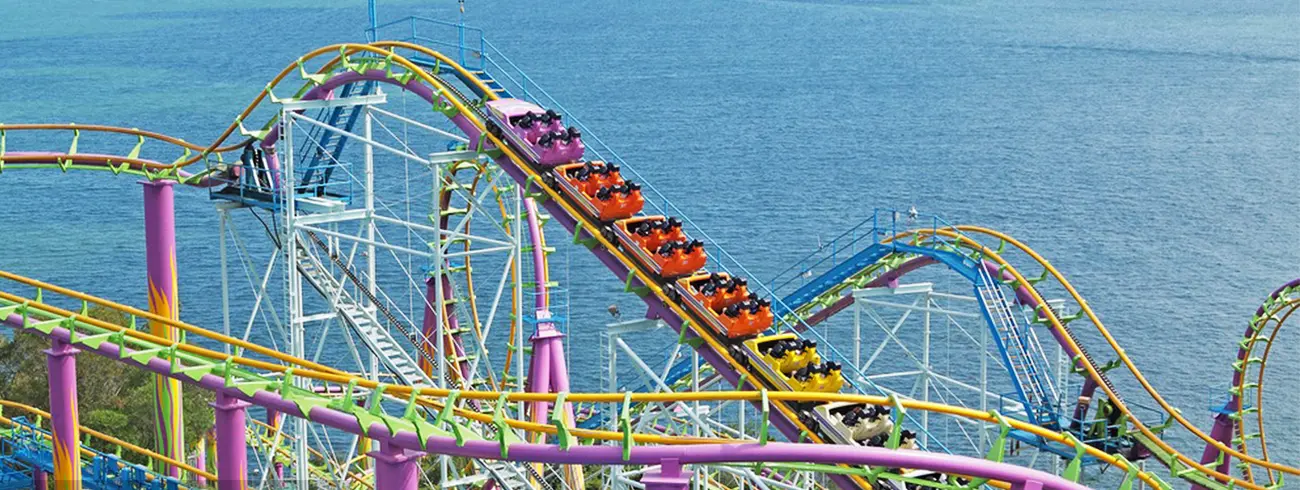
In the amusement industry, the longevity and operational efficiency of rides are fundamental to profitability, safety, and guest satisfaction. The concept of ride service life encompasses the total operational period during which a ride remains safe and economically viable. Equally important is the maintenance cycle, the systematic schedule of inspections, refurbishments, and part replacements that ensure mechanical reliability. Together, these two aspects define the sustainable lifecycle of amusement attractions—from towering steel coasters to the nostalgic swinging pirate ship ride.


Understanding Ride Service Life


The service life of an amusement ride is determined by the interplay of mechanical fatigue, material degradation, and operational intensity. Manufacturers typically specify an estimated design life, often measured in operational hours or cycle counts. However, this figure is influenced by factors such as environmental exposure, frequency of use, and the rigor of maintenance practices.


For instance, a steel roller coaster operating in a coastal environment endures accelerated corrosion due to salt-laden air. In contrast, an indoor dark ride experiences less environmental wear but may suffer from mechanical fatigue due to continuous operation. The diversity of conditions necessitates tailored maintenance planning for each installation.


Service life does not end abruptly; rather, it tapers as structural components reach fatigue limits and replacement parts become scarce. Operators must balance the economic feasibility of continued operation against the capital expense of ride replacement. A proactive life-extension strategy—incorporating regular non-destructive testing and targeted component refurbishment—can defer major overhauls and optimize return on investment.


The Structure of a Maintenance Cycle


A maintenance cycle consists of preventive, predictive, and corrective actions that maintain ride integrity throughout its operational life. Preventive maintenance follows manufacturer recommendations, focusing on routine lubrication, fastener checks, and alignment verification. Predictive maintenance leverages sensor data and trend analysis to anticipate failures before they occur. Corrective maintenance involves reactive repairs following fault detection.


The ideal maintenance cycle integrates all three methodologies into a coherent schedule. This integration ensures minimal downtime while maintaining compliance with local regulatory standards and international safety codes such as EN 13814 or ASTM F2291.


For large-scale rides, maintenance activities are tiered into daily, weekly, monthly, and annual intervals. Daily checks involve functional testing of restraint systems, braking mechanisms, and control logic. Weekly routines cover torque inspections, sensor calibrations, and safety gate interlocks. Annual maintenance often includes full disassembly of key mechanical assemblies and structural testing using ultrasonic or magnetic particle inspection.


Life Cycle Management for Different Types of Roller Coasters


The maintenance requirements and service life expectations vary significantly among different types of roller coasters. Each design—whether steel, wooden, or hybrid—presents unique challenges that influence its maintenance regime.


Maximizing Ride Service Life a


Steel roller coaster systems, characterized by their precision-engineered track profiles and high dynamic loads, demand meticulous attention to weld integrity and fastener torque. Thermal expansion and contraction cycles induce micro-stresses that can propagate into fatigue cracks if not properly monitored. Regular ultrasonic testing of weld seams and periodic repainting to prevent oxidation are essential for longevity.


Wooden roller coaster, while admired for their classic aesthetics and unique ride dynamics, are inherently susceptible to moisture infiltration and biological degradation. The service life of wooden track sections depends on timber preservation treatments, joint reinforcement, and structural bolt retightening schedules. Operators often employ phased track replacements, maintaining structural authenticity while ensuring continued safety.


Hybrid coaster, combining steel supports with wooden tracks or vice versa, introduce complex interfaces between dissimilar materials. Differential expansion and stiffness variance require specialized inspection protocols and hybrid-compatible fasteners to maintain mechanical integrity.


Maintenance of Flat Rides and Motion Attractions


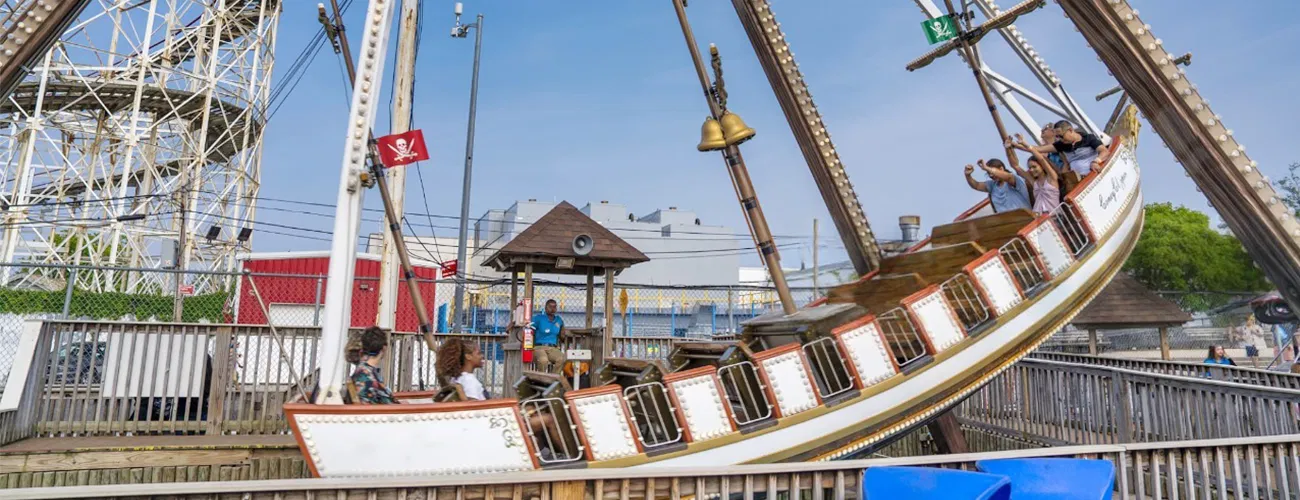
Beyond coasters, flat rides such as the swinging pirate ship ride require their own maintenance logic. The repetitive pendulum motion imposes alternating tensile and compressive stresses on the support arms and pivot bearings. Bearing lubrication intervals must be tightly controlled to prevent overheating and frictional wear. Rope or chain suspensions require precise tension monitoring to avoid asymmetric loading.

Maximizing Ride Service Life a


Electrical and hydraulic systems play a pivotal role in motion control and braking. Valve seals, actuator rods, and hydraulic fluids must undergo systematic replacement based on operation cycles. Failures in these systems can lead to uncontrolled motion, making hydraulic integrity inspections a non-negotiable component of the maintenance cycle.


The service life of such a ride can extend beyond three decades when refurbishment programs address structural and mechanical wear in a timely manner. Replacement of obsolete control electronics with modern programmable logic controllers (PLCs) not only enhances reliability but also extends the ride’s operational relevance.


Predictive Technologies and Data-Driven Maintenance


Recent advancements in sensor technology and data analytics have transformed ride maintenance from reactive to predictive. Accelerometers, strain gauges, and temperature sensors embedded in ride components continuously collect performance data. Machine learning algorithms analyze vibration patterns, detecting anomalies indicative of bearing wear or imbalance long before human inspection could identify them.


For high-speed coasters, track-mounted accelerometers can monitor real-time ride dynamics, identifying deviations in smoothness that signal track misalignment or wheel degradation. Cloud-based maintenance management systems aggregate this data, providing operators with a comprehensive view of asset health.


This predictive paradigm not only reduces unplanned downtime but also refines the maintenance cycle. Instead of following rigid time intervals, operators can perform maintenance precisely when conditions warrant intervention—optimizing resource allocation and minimizing waste.


Regulatory Compliance and Documentation


Ride maintenance is governed by stringent safety standards and national regulatory frameworks. Documentation plays a crucial role in verifying compliance. Every inspection, repair, and component replacement must be logged with time stamps, responsible personnel, and test results.


Third-party audits frequently review maintenance documentation to ensure adherence to manufacturer specifications and safety standards. Failure to maintain adequate records can result in operational suspension or revocation of ride certification. Therefore, digital maintenance management systems are increasingly adopted to streamline documentation and traceability.


Moreover, periodic re-certification by competent engineers ensures that structural integrity aligns with evolving safety codes. This continuous validation process is essential for extending ride service life beyond the original design expectations.


The Economic Equation of Longevity


The decision to refurbish or retire a ride is ultimately an economic one. Operators must evaluate maintenance costs, spare part availability, and guest popularity. Extending service life through comprehensive refurbishment can defer capital expenditure, but excessive maintenance spending may erode profit margins.


A balanced approach involves lifecycle cost analysis, comparing the net present value of continued maintenance against the investment required for a new installation. In many cases, modernization—such as upgrading braking systems, repainting structures, or replacing mechanical drives—can yield a refreshed experience at a fraction of replacement cost.


Conclusion


Ride service life and maintenance cycles are inseparable components of sustainable amusement park operations. From the intricate engineering of different types of roller coasters to the rhythmic motion of a swinging pirate ship ride, every attraction relies on precise mechanical stewardship.


Implementing disciplined maintenance cycles, leveraging predictive technologies, and adhering to regulatory frameworks collectively extend operational life and safeguard public safety. Through data-driven decision-making and proactive asset management, operators ensure that their rides continue to deliver both exhilaration and reliability—decade after decade.




Beston Funfair 發表在 痞客邦 留言(0) 人氣()

The Strategic Benefits of Modu
Amusement parks and traveling carnivals operate in an environment that demands adaptability, efficiency, and exceptional visitor experiences. Traditional fixed rides often impose logistical constraints that limit operational flexibility. In contrast, modular amusement rides offer a sophisticated solution, enabling operators to respond to diverse market demands while optimizing costs and safety standards.
Streamlined Installation and Dismantling

Beston Funfair 發表在 痞客邦 留言(0) 人氣()

Assessing the Safety of Modern
Amusement rides are engineered to deliver controlled excitement while maintaining rigorous safety standards. Evaluating their safety involves a multifaceted approach that examines design integrity, operational control, maintenance practices, and regulatory compliance. Each of these dimensions contributes to ensuring that visitors can enjoy exhilarating attractions without compromising personal security.
Engineering Design and Structural Integrity

Beston Funfair 發表在 痞客邦 留言(0) 人氣()

The Enduring Allure of the Pir
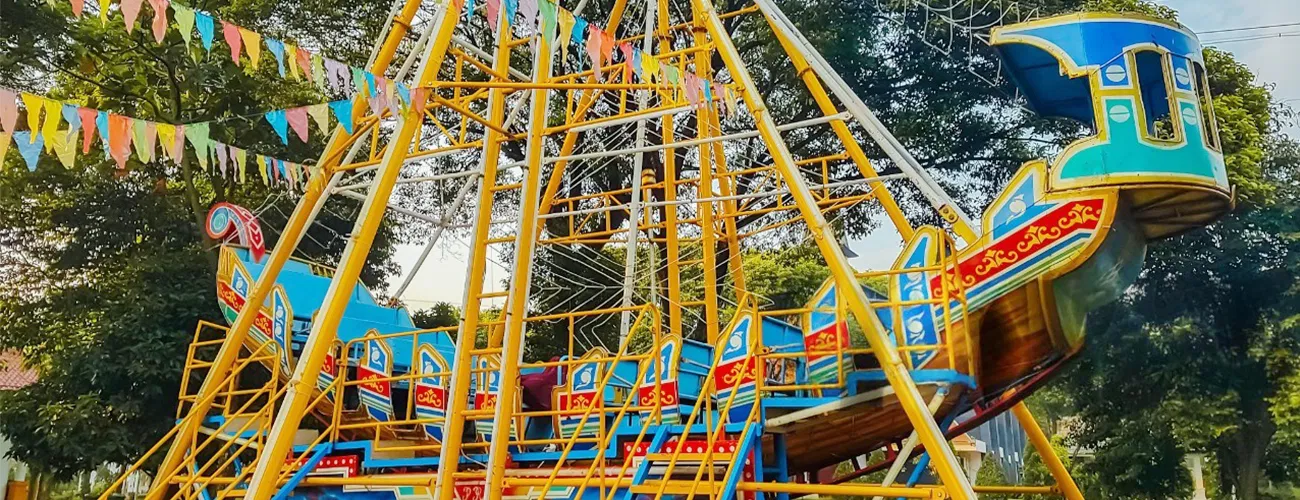
Among the pantheon of amusement park attractions, few experiences encapsulate both nostalgia and exhilaration as vividly as the pirate ship carnival ride. This classic motion attraction, recognizable by its pendulum-like swing and maritime motif, continues to occupy a revered position in the collective memory of thrill-seekers. Though technology has propelled the amusement industry toward virtual and hyper-realistic experiences, the pirate ship endures as a fundamental testament to mechanical ingenuity and psychological thrill.


A Legacy Anchored in Motion

Beston Funfair 發表在 痞客邦 留言(0) 人氣()


Designing amusement rides demands meticulous consideration of both user comfort and long-term operational integrity. Among the most critical yet often underestimated aspects is the provision of protection against rain and sun exposure. These environmental factors influence not only the durability of mechanical components but also the safety, aesthetics, and user experience of the attraction. In climates where weather variability is high, implementing effective protective measures ensures consistent ride performance and guest satisfaction.


Environmental Impact on Ride Design


Amusement rides operate in open environments where exposure to ultraviolet radiation, precipitation, and temperature fluctuations is inevitable. Extended UV exposure degrades paint coatings, weakens polymers, and fades decorative finishes. Similarly, moisture infiltration accelerates corrosion of metal structures, disrupts electrical systems, and can compromise mechanical safety.


For outdoor attractions such as a horse ride carousel or themed kiddie rides for sale, protection strategies are integral to their design process. These rides often incorporate decorative fiberglass components and exposed metal assemblies that must withstand environmental wear without deteriorating visual quality. Proper design minimizes maintenance costs while prolonging the lifecycle of critical materials.


Integrating Rain and Sun Prote


Structural Considerations for Weather Protection


Canopies and Roof Systems


The most direct form of environmental protection is the inclusion of canopies, tensile membrane roofs, or rigid shelters. These structures shield passengers and ride surfaces from direct sunlight and rain impact. When engineered with aerodynamic profiling, canopies also reduce wind resistance, thereby improving structural stability.


Roofing materials vary based on regional conditions. Polycarbonate sheets offer transparency with UV filtration, enabling visual continuity while moderating solar heat gain. Conversely, powder-coated steel or aluminum panels provide robust mechanical resistance and are suitable for larger installations requiring extended durability.


Drainage and Water Management


Integrating a comprehensive drainage system is essential. The roof and ride platform must facilitate efficient water runoff to prevent pooling. Surface gradients, concealed gutters, and perforated flooring panels direct water away from critical components such as motors and control boxes. For installations with complex geometry, modular drainage channels can be embedded within the platform frame.


Ventilation and Thermal Control


Rain and sun protection systems should not compromise natural ventilation. Proper airflow is necessary to mitigate heat buildup beneath canopies and to prevent condensation. Passive ventilation designs—such as louvered panels and roof vents—encourage air circulation while maintaining weatherproofing integrity. In high-temperature regions, reflective coatings or ventilated double-roof systems further enhance thermal performance.


Material Durability and Surface Treatment


Material selection plays a defining role in the longevity of amusement rides. Protective coatings, corrosion-resistant alloys, and hydrophobic finishes are key elements in combating weather-induced degradation.


Galvanized Steel: Offers substantial resistance to corrosion and mechanical stress. Suitable for supporting frameworks of large rides.


Marine-Grade Aluminum: Lightweight and oxidation-resistant, ideal for portable or small-scale kiddie rides.


Fiberglass Reinforced Plastic (FRP): Commonly used for sculptural components such as carousel horses or decorative panels due to its strength and weather resilience.


UV-Stabilized Paints: Maintain color fidelity and prevent cracking from thermal expansion cycles.


For attractions like a horse ride carousel, where aesthetic presentation is paramount, multi-layer paint systems incorporating UV inhibitors and clear polyurethane topcoats maintain gloss and color accuracy over time. Regular surface maintenance—washing, recoating, and inspection—further extends service life.


Integrating Rain and Sun Prote


Electrical and Mechanical System Protection


Weather exposure increases risk for electrical malfunction and mechanical degradation. Protective enclosures and sealing systems mitigate these vulnerabilities.


Waterproof Enclosures: Electrical control panels should be housed in IP65 or higher-rated casings to resist water ingress.


Cable Routing: Conduits and junction boxes must be elevated above ground level with sealed grommets to prevent short-circuiting during heavy rainfall.


Motor Ventilation: Motors and drive systems require enclosures with weatherproof vents to avoid overheating while keeping moisture out.


Bearing Protection: Applying grease seals and stainless steel bearings minimizes corrosion in rotational assemblies.


For portable amusement rides, additional safeguards include detachable weather hoods and foldable side panels, which can be deployed quickly in adverse conditions.


Ergonomic and Aesthetic Integration


Rain and sun protection systems must not appear as afterthoughts; they should harmonize with the ride’s thematic and structural design. A horse ride carousel, for instance, benefits from an ornate canopy integrating decorative trims and lighting that complement its nostalgic appeal. Similarly, kiddie rides for sale often feature integrated shade structures shaped to match their playful aesthetic—umbrellas, domes, or animal-themed roofs.


Aesthetic integration can also enhance brand perception. Using thematic color schemes and translucent roofing materials creates a cohesive visual identity while maintaining functionality. For modern amusement parks emphasizing architectural coherence, modular canopy systems with adjustable geometries can adapt to varying site layouts without disrupting design harmony.


Maintenance and Inspection Strategies


Effective weather protection design is incomplete without a consistent maintenance protocol. Regular inspection schedules should assess the following parameters:


  • Condition of canopy fabrics or panels for tearing, discoloration, or structural fatigue.

  • Integrity of drainage systems to ensure unimpeded water flow.

  • Surface coatings for evidence of corrosion, peeling, or fading.

  • Electrical connections for waterproof integrity.


Preventive maintenance reduces long-term costs and minimizes downtime. Automated monitoring systems—such as humidity and temperature sensors installed within control enclosures—can provide early warnings for potential failures, enhancing operational reliability.


Sustainability and Energy Efficiency


Modern design approaches extend beyond mechanical protection to embrace sustainability principles. Utilizing recycled materials, solar-reflective coatings, and energy-efficient LED lighting within canopy systems contributes to lower energy consumption and reduced environmental footprint.


Solar-integrated roofing, for example, can power auxiliary lighting or ride control units. Permeable flooring systems may also assist in groundwater management by allowing rainwater infiltration, reducing site runoff and erosion.


In regions with intense solar exposure, passive cooling systems embedded in canopy structures—such as reflective membranes or evaporative surface treatments—can significantly improve thermal comfort for riders and operators alike. These innovations not only enhance sustainability but also improve user experience under fluctuating weather conditions.


Conclusion


Rain and sun protection design represents a fundamental aspect of amusement ride engineering. It safeguards structural integrity, enhances user comfort, and preserves aesthetic quality. Whether addressing the ornate structure of a horse ride carousel or the compact configuration of kiddie rides for sale, incorporating durable materials, effective drainage, and ergonomic sheltering systems ensures dependable operation in diverse environments.


A well-executed protection strategy transforms weather from a constraint into a design parameter—balancing technical resilience with visual expression. As amusement ride technology continues to evolve, the integration of advanced weatherproofing solutions will remain essential for achieving safety, efficiency, and long-term value.


Beston Funfair 發表在 痞客邦 留言(0) 人氣()

Blog Stats
⚠️

成人內容提醒

本部落格內容僅限年滿十八歲者瀏覽。
若您未滿十八歲,請立即離開。

已滿十八歲者,亦請勿將內容提供給未成年人士。