Amusement parks and traveling carnivals operate in an environment that demands adaptability, efficiency, and exceptional visitor experiences. Traditional fixed rides often impose logistical constraints that limit operational flexibility. In contrast, modular amusement rides offer a sophisticated solution, enabling operators to respond to diverse market demands while optimizing costs and safety standards.
Streamlined Installation and Dismantling
One of the most pronounced advantages of modular rides is their modularity in assembly. Unlike conventional installations that require permanent foundations and extensive civil engineering, modular systems are engineered for rapid deployment. Components are designed with interlocking precision, minimizing the need for specialized tools or prolonged labor.
This characteristic proves invaluable for operators managing traveling fairs or temporary events. A carnival swing ride, for instance, can be erected within hours, fully functional, and compliant with safety protocols. When the event concludes, the ride can be disassembled with equivalent efficiency, reducing downtime and operational expenditure.

Flexibility and Scalability
Modular amusement rides afford unparalleled scalability. Operators can augment or reduce ride configurations to match audience volume or site constraints. Sections can be added to increase capacity, while redundant modules can be removed for smaller venues. This flexibility extends beyond spatial considerations; operators can incorporate thematic elements or specialized components to enhance the visual and interactive appeal of thrill rides for sale.
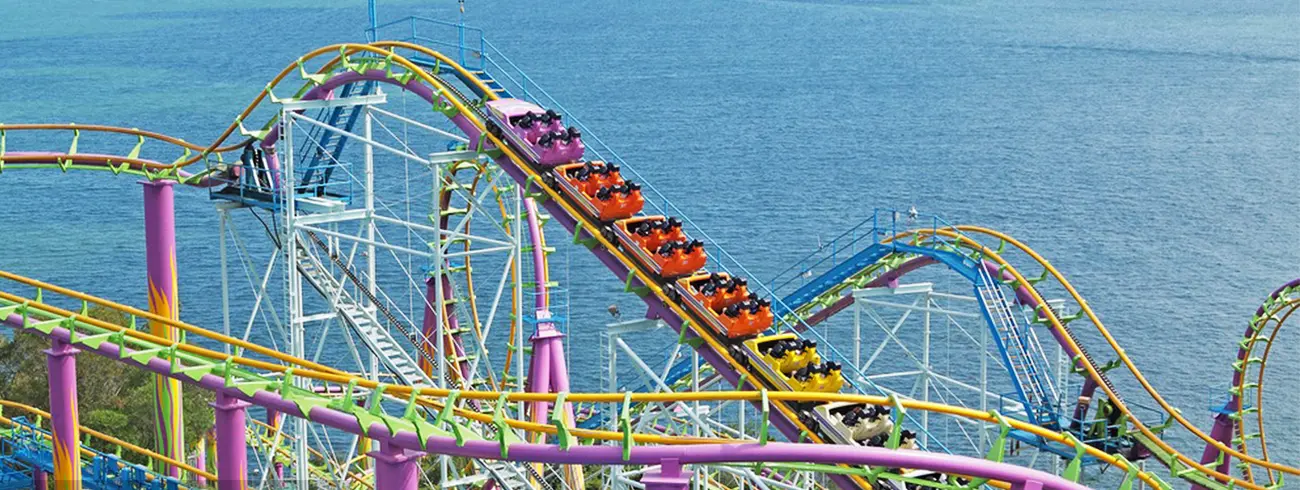
The modular design paradigm also facilitates iterative upgrades. As technology evolves or new regulatory requirements emerge, individual ride components can be replaced without necessitating full system decommissioning. This approach mitigates obsolescence risk and preserves capital investment over the long term.
Transportation Efficiency
Transporting large-scale amusement rides has traditionally been a logistical challenge, with oversized loads, route restrictions, and elevated costs. Modular rides are engineered with transport optimization in mind. Components are often designed to conform to standard shipping dimensions, allowing for containerization or efficient flatbed transport.
For traveling shows or regional fairs, this capability reduces both cost and complexity. A carnival swing ride, partitioned into transportable modules, ensures predictable handling and minimizes the risk of damage during transit. The reduction in logistical friction translates directly into operational agility and increased profitability.
Safety and Maintenance
Safety is paramount in the amusement industry. Modular rides provide a tangible advantage in both preventative maintenance and inspection processes. Individual components can be systematically inspected, replaced, or upgraded without compromising the integrity of the entire system.
The modular structure simplifies fault isolation. For example, a mechanical issue within a single module of a thrill ride for sale can be resolved swiftly, preventing extensive downtime. This capability enhances operational reliability and ensures that visitors encounter a consistently safe experience.
Cost Efficiency
While initial investment in modular amusement rides may sometimes exceed that of traditional systems, the lifecycle cost savings are substantial. Reduced assembly and dismantling times decrease labor expenditure. Optimized transport lowers logistical costs. Simplified maintenance procedures reduce both parts and service expenses over time.
Furthermore, modular rides enable operators to respond to fluctuating demand without committing to permanent infrastructure. This agility allows for revenue optimization across seasonal peaks and troughs, which is particularly beneficial for regional or traveling amusement enterprises.
Technological Integration
Modern modular rides are designed to incorporate advanced technology seamlessly. Integrated control systems, remote monitoring, and sensor-driven diagnostics can be embedded at the module level. This modular approach allows for incremental technological adoption without requiring a complete overhaul of the ride system.
Interactive elements, dynamic lighting, and immersive audio systems can be added or upgraded with minimal disruption. This adaptability ensures that amusement operators remain competitive and capable of delivering innovative experiences, even as market expectations evolve.
Environmental and Regulatory Advantages
Environmental sustainability is increasingly central to amusement operations. Modular rides contribute positively by minimizing site disturbance and reducing material waste. Since they often require temporary foundations, the impact on the natural terrain is limited compared to permanent structures.
Regulatory compliance is similarly streamlined. Modular rides can be engineered to meet or exceed local and international safety standards. The modular nature allows for systematic documentation, testing, and certification of individual components, simplifying inspections and audits.
Customization and Guest Experience
From a visitor’s perspective, modular rides provide a dynamic and diverse experience. Operators can tailor ride dimensions, speed profiles, and thematic aesthetics to suit a particular audience demographic or event type. A carnival swing ride, for instance, can be augmented with custom lighting or audio modules, creating a unique attraction for each venue.
The capacity for rapid reconfiguration also enables experimentation with novel ride formats or layouts. This flexibility encourages innovation and ensures that amusement operators can continuously refresh their offerings, sustaining engagement and return visits.
Conclusion
Modular amusement rides represent a strategic advancement in the operational paradigm of amusement parks, traveling fairs, and temporary events. Their advantages span installation efficiency, scalability, maintenance, cost optimization, technological integration, and enhanced visitor experience.
For operators seeking to balance economic prudence with operational flexibility, investing in modular rides is a logical and forward-looking choice. Whether deploying a carnival swing ride or evaluating the latest thrill rides for sale, the modular approach ensures adaptability, safety, and sustained profitability in an ever-evolving entertainment landscape.

請先 登入 以發表留言。