Amusement rides are the centerpiece of recreational venues, symbolizing both entertainment and engineering precision. Yet, as these mechanical structures age, they face a spectrum of degradation challenges that can compromise safety, performance, and aesthetics. The prevention and management of ride aging problems require systematic inspection, timely maintenance, and the application of advanced preservation techniques. Whether an operator intends to buy ferris wheel units or maintain a pirate ship amusement ride, adopting an evidence-based approach to lifecycle management is indispensable.
Understanding Ride Aging Mechanisms
The aging of amusement rides is a multifactorial process influenced by material fatigue, corrosion, mechanical wear, and environmental stressors. Structural steel components, hydraulic systems, and electronic controls all deteriorate at varying rates depending on operational intensity and environmental exposure. Rides such as an amusement park pirate ship ride or a ferris wheel are especially vulnerable to cyclic stress due to their repetitive loading patterns.
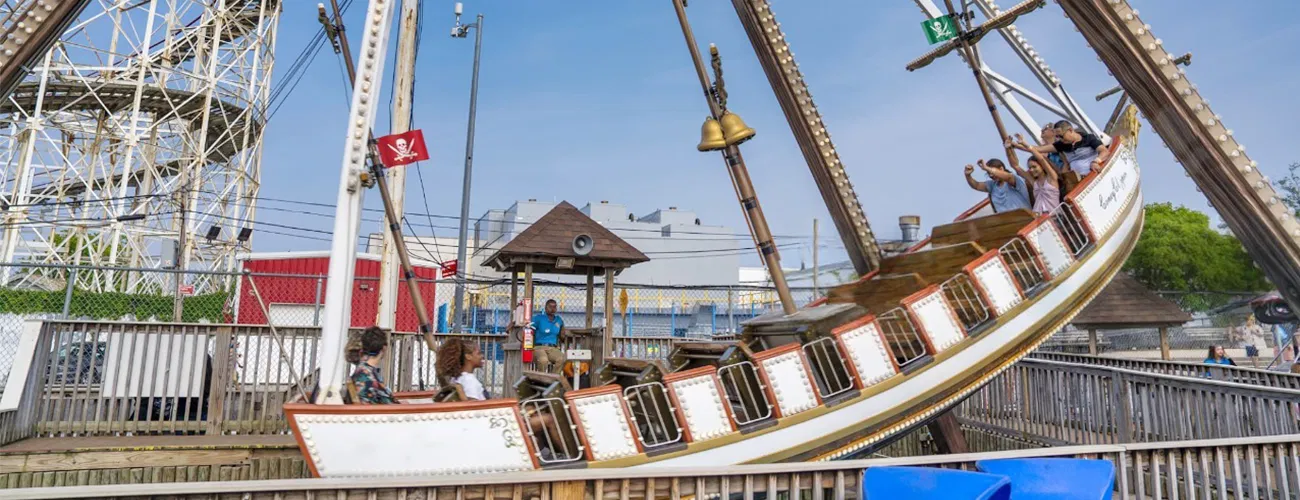
Corrosive agents—particularly in coastal or humid regions—accelerate metal oxidation, leading to microfractures and weakened joints. Ultraviolet radiation and temperature fluctuations further degrade coatings and polymeric materials. The outcome is a gradual decline in operational stability, necessitating proactive intervention.
Preventive Maintenance Framework
A structured preventive maintenance plan forms the foundation of ride longevity. The process begins with a detailed maintenance schedule aligned with manufacturer specifications and operational records. Key elements include:
- Routine Inspection: Daily visual checks of weld seams, bolt integrity, and safety restraints. Minor deviations should trigger immediate attention before escalating into systemic failures.
- Lubrication Management: Rotational components of an amusement park pirate ship ride or ferris wheel require lubrication intervals based on load cycles, not calendar dates. Synthetic lubricants resistant to moisture infiltration are preferred.
- Protective Coating Systems: Periodic reapplication of anti-corrosive coatings and sealants prevents oxidation and surface deterioration. Zinc-rich primers are particularly effective for outdoor structures.
- Electrical System Testing: Diagnostic tests on sensors, limit switches, and emergency circuits should be conducted quarterly to preempt functional anomalies.
Proper documentation of each maintenance activity ensures traceability and regulatory compliance.
Structural Integrity Assessment
Structural evaluation is essential to detect latent defects invisible to the naked eye. Non-destructive testing (NDT) methods—such as ultrasonic, magnetic particle, and radiographic inspections—enable precise detection of subsurface flaws. For instance, the main beam of a pirate ship amusement ride may appear intact externally but conceal stress-induced microcracks within its framework.
Finite element analysis (FEA) can simulate operational loads to predict potential points of failure, allowing for targeted reinforcement before issues arise. Engineers should recalibrate these models periodically as ride conditions evolve over time.
Environmental and Operational Controls
Environmental exposure remains one of the most potent accelerators of ride aging. Facilities located in saline or high-humidity environments must implement additional controls:
- Dehumidification Systems: Reducing atmospheric moisture around critical assemblies can delay corrosion onset.
- Protective Enclosures: Housing control panels and hydraulic pumps within weatherproof enclosures mitigates temperature and water ingress effects.
- Surface Drainage Optimization: Ensuring that no water stagnates at base plates or structural joints prolongs the lifespan of foundational components.
Operational controls also play a pivotal role. Overloading, excessive ride cycles, or abrupt operational starts intensify wear. Automated systems that monitor operational frequency and load limits can significantly reduce aging stressors.
Rehabilitation and Upgrading Measures
Once deterioration surpasses a threshold, rehabilitation becomes imperative. Structural refurbishments may include component replacement, surface reconditioning, or full system retrofits. For example, operators planning to buy ferris wheel units should prioritize models with modular designs, enabling simplified component replacement in future maintenance cycles.

Control system upgrades are also critical. Replacing outdated analog systems with digital monitoring and safety controllers enhances reliability while providing predictive maintenance data. The integration of sensors capable of detecting vibration anomalies or thermal irregularities can preempt catastrophic failures.
In cases of extensive corrosion, shot blasting followed by epoxy-based re-coating provides renewed protection. Weld repair procedures must conform to certified welding standards to ensure structural homogeneity.
Lifecycle Cost Management
Financial stewardship is an often-overlooked dimension of ride aging management. Continuous minor investments in maintenance yield better long-term cost efficiency than deferred overhauls. Asset managers should employ lifecycle costing models to forecast expenditure patterns and allocate budgets accordingly.
For enterprises exploring amusement rides for sale, evaluating lifecycle maintenance requirements prior to acquisition is a strategic necessity. A low initial purchase price can conceal substantial hidden maintenance obligations if the ride’s corrosion protection or fatigue resistance is inadequate. Procuring from manufacturers that provide long-term service documentation reduces operational uncertainty.
Safety Compliance and Recordkeeping
Regulatory compliance frameworks govern the operation of all mechanical amusement attractions. Adhering to international standards such as EN 13814 or ASTM F24 ensures that maintenance practices align with globally recognized benchmarks. Comprehensive recordkeeping—documenting inspections, maintenance activities, and modifications—serves both legal and operational purposes.
Auditors and safety inspectors rely on these records to validate that an amusement park pirate ship ride or ferris wheel remains structurally sound and mechanically secure. Digital maintenance management systems (CMMS) streamline data collection and trend analysis, enabling predictive rather than reactive maintenance.
Emerging Technologies in Ride Preservation
Technological innovation is reshaping ride preservation strategies. Advanced materials such as high-strength low-alloy steel and composite polymers exhibit superior fatigue resistance and corrosion performance. Additionally, smart monitoring technologies—embedding sensors directly into structural elements—facilitate real-time health assessment.
Machine learning algorithms interpret vibration and temperature data to predict potential failures before they manifest. When integrated into modern control systems, these tools enable maintenance teams to prioritize interventions efficiently. The transition from time-based to condition-based maintenance marks a paradigm shift in amusement ride management.
Conclusion
The sustained performance of amusement rides depends on meticulous preventive care, precise diagnostics, and strategic modernization. As operators expand their attractions—whether through the decision to buy ferris wheel installations or integrate a new pirate ship amusement ride—comprehensive lifecycle management ensures operational reliability and public safety.
Adopting a disciplined maintenance culture, supported by data-driven tools and modern engineering practices, mitigates aging risks and extends service life. In an industry where safety and reputation are inseparable, diligent ride preservation is both a technical obligation and a business imperative.

請先 登入 以發表留言。