The emergence of automation and robotics has extended far beyond manufacturing. Entertainment sectors are exploring ways to integrate robotic systems into immersive experiences that blend human creativity with mechanical precision. A robot theme park, once a speculative idea from science fiction, is now technically conceivable. Evaluating its operational feasibility requires a multifaceted analysis of engineering capability, infrastructure demands, cost structure, and visitor engagement models.
Infrastructure and Design Considerations
A robot theme park must operate within a highly engineered environment. The design involves complex synchronization between hardware, software, and human oversight. Unlike conventional amusement facilities, the park would integrate robotic infrastructure at every level — from ticketing and security to dynamic attractions and autonomous maintenance systems.
Indoor amusement rides form a core component of the initial layout strategy. These controlled environments mitigate weather dependency and enhance operational predictability. Structural engineering would need to accommodate heavy robotic installations with variable motion profiles. Reinforced flooring systems, distributed power networks, and redundant safety circuits become essential elements. The design phase must incorporate predictive maintenance pathways, allowing autonomous diagnostic robots to perform inspections without halting operations.

Lighting, sound, and environmental control systems would also rely on robotics to dynamically adapt to crowd density and activity levels. Advanced HVAC systems integrated with machine learning algorithms could optimize air circulation and energy consumption based on real-time occupancy data.
Robotic Integration in Attractions
The success of a robot theme park hinges on the seamless interaction between visitors and robotic systems. Each ride or attraction must achieve operational harmony between safety, entertainment, and technological sophistication.
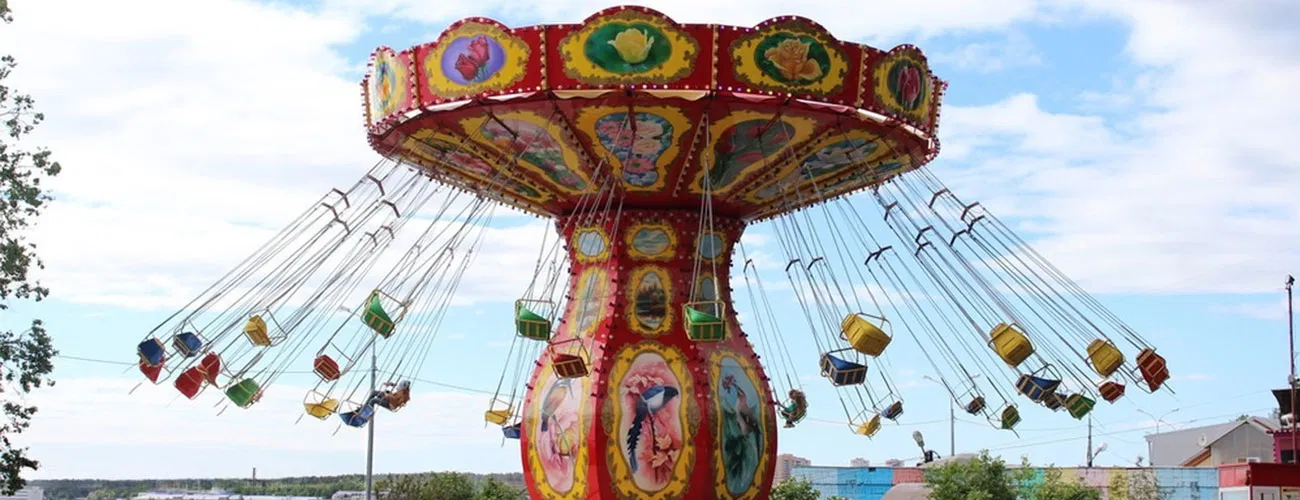
One illustrative example is the flying chair ride, reimagined through robotics. Traditional models use fixed rotational arms and central motors. In a robotic version, motion actuators and gyroscopic stabilizers can dynamically adjust trajectory, tilt, and velocity to personalize the experience. Sensors embedded in the seating harness detect biometric data such as heart rate and muscle tension, enabling adaptive motion control that aligns with each rider’s comfort threshold.
Similarly, indoor amusement rides equipped with autonomous robotic vehicles could allow for narrative-driven journeys. Each vehicle can navigate dynamically through changing routes, synchronized with projection mapping and auditory cues. The degree of autonomy and precision required demands robust machine vision systems and high-speed data transmission protocols. A centralized control hub using redundant server clusters would orchestrate every movement, ensuring synchronization and safety.
Energy and Maintenance Logistics
Operational feasibility is inseparable from sustainable energy management. A robot theme park’s energy profile significantly exceeds that of conventional amusement venues. High-torque actuators, real-time computation, and continuous sensor networks contribute to an elevated power demand. To maintain economic viability, the park must implement a hybrid energy model.
Integration of renewable energy sources such as solar arrays and kinetic recovery systems can partially offset this demand. Energy storage solutions, particularly lithium-iron-phosphate (LiFePO₄) batteries, would provide stability during peak operational hours. Predictive analytics could optimize power allocation, prioritizing essential systems and throttling non-critical processes when necessary.
Maintenance logistics are equally critical. Traditional parks rely on human technicians for inspections and repairs. In a robotic facility, maintenance would transition toward automation. Self-diagnosing machinery can flag anomalies and dispatch service drones to conduct real-time repairs or component replacements. This autonomy minimizes downtime and enhances safety margins.
However, maintaining such robotic complexity necessitates a highly skilled technical workforce. Human engineers would supervise system integrity, perform periodic audits, and oversee firmware updates. The park’s operational model must therefore integrate ongoing training programs to ensure staff remain proficient with evolving robotic architectures.
Safety and Compliance Framework
Safety in a robot theme park extends beyond mechanical stability. It encompasses cybersecurity, human-machine interaction, and regulatory adherence. Each robotic unit represents a potential risk vector if not properly secured. A multilayered safety framework should include both physical and digital safeguards.
Physical barriers, proximity sensors, and emergency override systems would prevent accidental collisions. Artificial intelligence algorithms must incorporate ethical constraints, ensuring human safety is always prioritized over programmed objectives. Cybersecurity measures, including end-to-end encryption and real-time intrusion detection systems, protect against unauthorized access to operational networks.
Compliance with international standards, such as ISO 13849 for machine safety and IEC 61508 for functional safety, is mandatory. Certification processes will involve rigorous validation of hardware integrity and software resilience. Furthermore, local regulations governing amusement devices must evolve to accommodate the complexity of robotic entertainment systems.
Economic and Market Viability
From an economic standpoint, constructing and operating a robot theme park demands substantial capital investment. Initial development costs encompass robotic systems, AI integration, infrastructure reinforcement, and safety certification. However, automation promises reduced long-term labor expenditure and higher operational consistency.
Revenue models may diversify beyond ticket sales. Data analytics collected from visitor interactions can inform targeted marketing, merchandise design, and experience customization. Dynamic pricing models could adjust entry fees based on crowd density and seasonal demand. The integration of robotic merchandise and educational zones can further enhance profitability.
Market acceptance represents a pivotal factor. The public’s fascination with robotics can drive early adoption, but sustained interest relies on consistent innovation. The park must continuously evolve, updating software, adding new robotic attractions, and maintaining technological novelty. Strategic partnerships with robotics manufacturers and research institutions can ensure a steady influx of new technology and creative concepts.
Environmental and Ethical Dimensions
Sustainability and ethical deployment of robotics are fundamental to operational legitimacy. A robot theme park must minimize environmental impact through energy-efficient systems and recyclable construction materials. End-of-life management for robotic components requires a closed-loop recycling process to handle electronic waste responsibly.
Ethically, the design of robotic entertainment should respect human psychological boundaries. Overreliance on anthropomorphic robots can blur the distinction between artificial and human entities, potentially leading to discomfort or ethical ambiguity. Transparent design philosophies, emphasizing mechanical artistry over imitation of life, can mitigate such concerns.
Future Outlook
The operational feasibility of a robot theme park is not merely theoretical. Prototype facilities integrating partial automation already exist in various regions, demonstrating that robotics can enhance precision, safety, and entertainment value. The transition from concept to full-scale operation, however, hinges on continuous advancements in AI safety, battery technology, and cost efficiency.
Within the next decade, robotic entertainment ecosystems may redefine the amusement industry. The combination of interactive robotics, adaptive indoor amusement rides, and advanced sensory environments could establish a new paradigm for leisure and education. A well-structured feasibility model — balancing engineering rigor with economic pragmatism — will determine whether robot theme parks become sustainable enterprises or remain experimental showcases.
Conclusion
A robot theme park is technologically feasible but operationally complex. Success depends on the integration of engineering precision, safety regulation, and visitor-centered design. The ability to merge mechanical performance with human curiosity defines the essence of this endeavor. As robotics continues to evolve, the convergence of automation and amusement may transform the concept of recreation itself — from static spectacle to a dynamic, intelligent experience.

請先 登入 以發表留言。