Influencer marketing has redefined how consumers interact with brands across nearly every industry. In the realm of amusement parks, it plays an increasingly decisive role in shaping how operators choose to buy amusement park rides and how the public perceives thrill-based entertainment. The symbiosis between social media influencers and ride manufacturers has created a new commercial ecosystem—one driven by engagement metrics, experiential storytelling, and digital reach rather than traditional advertising models.
The Evolution of Ride Promotion
Historically, amusement parks relied on conventional media—television commercials, print advertisements, and direct mail—to attract visitors. Marketing departments emphasized visual spectacle, featuring looping roller coasters and gravity-defying drops to entice thrill-seekers. However, the emergence of influencer marketing shifted this paradigm. Instead of broad, generalized messaging, parks now focus on authentic, peer-driven narratives that evoke trust and curiosity.
Influencers possess a rare capacity to make extreme rides relatable. Their first-person accounts—delivered through vlogs, real-time reactions, or immersive drone footage—convert abstract excitement into a tangible sensory experience. A viewer watching a trusted content creator scream through a vertical launch or navigate a high-speed inversion internalizes that excitement, associating the ride with emotional authenticity. This humanization of experience directly influences consumer sentiment and ultimately affects which attractions park owners prioritize when deciding to buy amusement park rides.

Data-Driven Decision Making
Modern amusement park investment strategies are increasingly informed by digital analytics derived from influencer content performance. Engagement statistics such as watch time, comment volume, and audience demographics provide actionable insight into public preferences. When a particular extreme ride gains significant traction across social platforms, manufacturers and park planners interpret it as evidence of rising market demand.
For instance, if a coaster model or free-fall tower gains millions of organic impressions following an influencer collaboration, park executives view it as a validated product concept. This correlation between virality and investment confidence accelerates procurement timelines. Consequently, influencer-driven buzz can determine not only which rides are purchased but also which themes, layouts, and aesthetic components are emphasized in future designs.
The Psychological Mechanism Behind Influence
The success of influencer marketing in ride selection is anchored in social proof—the cognitive phenomenon where individuals align their decisions with those of perceived authorities or peers. When audiences witness influencers experiencing extreme rides with enthusiasm and perceived safety, apprehension diminishes. What once seemed intimidating becomes aspirational.
Moreover, influencers often cultivate niche communities aligned with specific lifestyle segments—family entertainment, adrenaline sports, or travel exploration. By collaborating with figures who authentically represent these categories, amusement park brands can target discrete demographic segments without broad, inefficient advertising expenditures. The trust capital that influencers possess translates directly into consumer confidence, effectively guiding both visitors and park buyers toward particular ride types.
The Economics of Visibility
From a financial perspective, influencer marketing offers measurable returns compared to traditional promotional spending. When a park chooses to buy amusement park rides that have already demonstrated strong online performance, it minimizes risk. Viral exposure prior to installation functions as pre-validated market research. Ride manufacturers also benefit by leveraging influencer-generated content to demonstrate operational reliability and emotional impact—two critical factors influencing large-scale procurement decisions.
A successful influencer campaign does more than generate views; it establishes narrative continuity between concept, construction, and experience. For example, documenting the assembly of a record-breaking roller coaster through influencer partnerships maintains public interest over months, ensuring high anticipation before opening day. This momentum translates into substantial attendance surges, directly correlating to revenue optimization.
The Role of Visual Storytelling
High-definition video and immersive photography are the lifeblood of influencer content. The visual portrayal of motion, height, and velocity creates a visceral response that text alone cannot replicate. Platforms such as YouTube, Instagram, and TikTok amplify this sensory communication, allowing audiences to virtually experience the thrill.
In marketing terms, this establishes an emotional anchor. When park decision-makers evaluate whether to buy amusement park rides, they consider how well the attraction lends itself to digital storytelling. Rides with distinctive structural silhouettes, dynamic lighting systems, or unique ride sequences tend to perform better online. The more photogenic or visually dramatic a ride appears, the greater its potential for influencer amplification.
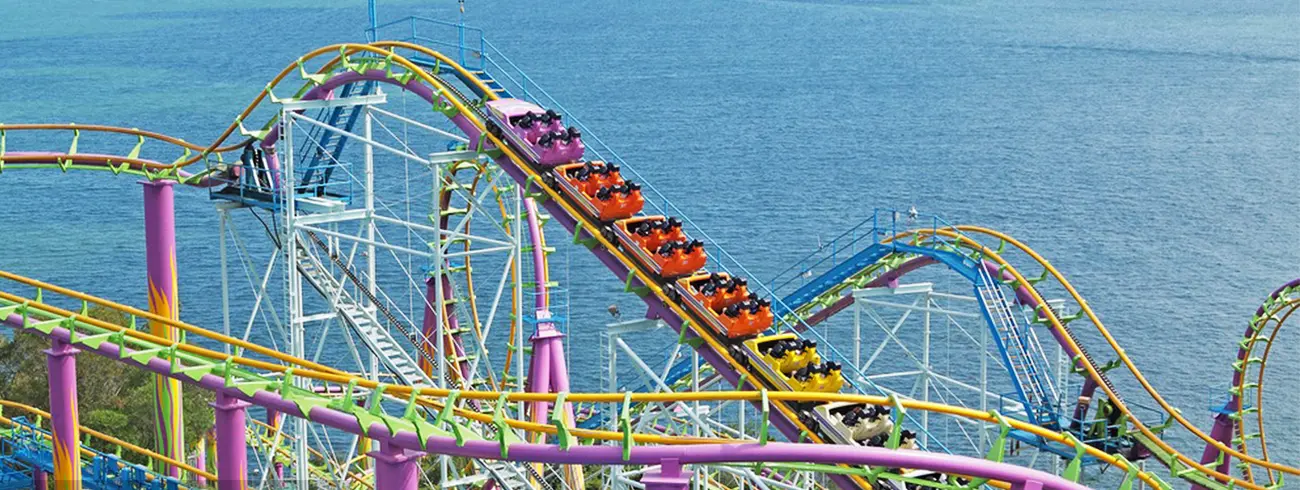
Extreme rides, in particular, thrive within this ecosystem. Their inherent drama—vertical drops, inversions, and multi-sensory effects—naturally complements the quick, attention-grabbing style of influencer content. Each frame communicates exhilaration, and each post reinforces the notion of novelty. As such, the alignment between influencer marketing and extreme rides is not coincidental; it is symbiotic.
Challenges and Ethical Considerations
While influencer marketing provides substantial advantages, it also introduces complexities. The authenticity that drives influencer credibility can erode if content becomes overly commercialized. Parks and manufacturers must maintain transparency in sponsored collaborations, ensuring that enthusiasm appears genuine and not purely transactional.
Moreover, overreliance on digital trends can lead to homogenization. When every park seeks to replicate viral ride types, creative diversity diminishes. The emphasis on online popularity may overshadow engineering innovation or cultural specificity. Balancing market responsiveness with originality remains a delicate task.
There is also a growing conversation around safety perception. Influencers often emphasize excitement over technical explanation, leading audiences to focus on adrenaline rather than mechanical reliability. Parks must complement influencer content with educational messaging about safety standards, maintenance protocols, and design integrity to sustain long-term trust.
Integration into Broader Marketing Ecosystems
Influencer partnerships work best when integrated into comprehensive marketing architectures. Combining influencer-generated content with data-driven retargeting, virtual reality previews, and interactive digital campaigns enhances overall conversion rates. A park considering whether to buy amusement park rides can leverage influencer material in investor presentations, online advertisements, and guest engagement portals.
Collaborations between ride manufacturers and influencers also streamline B2B communications. When an influencer showcases a prototype or test installation, it functions as live demonstration marketing, reaching both consumers and industry stakeholders. This layered exposure accelerates brand recognition across the entire amusement supply chain.
Future Trajectory
As artificial intelligence, augmented reality, and real-time analytics continue to evolve, influencer marketing in the amusement sector will become even more granular and predictive. Algorithms capable of assessing emotional response through facial recognition or sentiment analysis will further refine how parks evaluate which rides resonate most with audiences.
Future influencers may employ mixed-reality environments to simulate ride experiences before construction, enabling potential buyers to virtually “test” concepts. This convergence of digital influence and engineering design will redefine how companies decide to buy amusement park rides—transitioning from reactive purchasing to predictive investment based on validated emotional data.
Extreme rides will remain at the forefront of this transformation. Their inherent capacity to provoke awe, fear, and exhilaration ensures they remain ideal subjects for influencer storytelling. As digital content continues to dictate cultural attention, the interplay between influencer impact and ride innovation will grow inseparable.
Conclusion
Influencer marketing has transcended its role as a consumer outreach tool to become a strategic determinant in amusement ride acquisition and development. The integration of emotional storytelling, visual engagement, and measurable analytics empowers amusement park operators to make informed, audience-aligned decisions.
The ability to buy amusement park rides based not solely on engineering prowess but also on verified digital appeal represents a fundamental shift in industry logic. Extreme rides, once defined purely by mechanical complexity, are now cultural artifacts shaped by digital narratives. As long as audiences continue to trust influencers as conduits of authentic experience, their influence on ride selection will persist—steering the future of amusement design one viral moment at a time.
amusem

請先 登入 以發表留言。